
Events & News
Here you will find information about concerts, workshops, webinars and more!
Events are available either live at an Oxfordshire venue or online via Zoom.
The details below will be updated as more information becomes available. Please check back, and in the meantime keep enjoying your music-making.
Music Theory Events
Scroll down to view details of upcoming Music Theory events as well as those in preparation. More will be added at a later date.
Supporting your Young Musician
~ A Parent’s Guide ~
Presented by Jean Paterson (Strings) & Christine Garratt (Woodwind and Piano)
NOVEMBER 2026
What? A talk for Parents of young musicians. Would you like to understand what happens in your child’s music
lesson? Jean and Chrissie are professional musicians and teachers who will offer advice as to how best to
support and enable your child to thrive and to enjoy their adventure with music.
When? 4 – 5pm Sunday 1 November 2026
Where? Iffley Church Hall, Church Way, Iffley, Oxford, OX4 4EG
TICKETS £10 (one or both parents)
25% discount available for parents of Jean’s and Chrissie’s pupils
❗️A payment button will appear here very soon!
Please check back …
NOVEMBER 2026
Music Theory – What’s it all About?
Who?
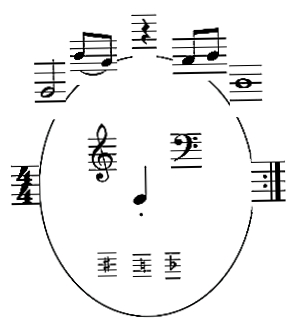
A workshop for young musicians. Baffled, perplexed, flummoxed, confused by … ?
Does your teacher expect you to work it out at home, but you don’t know how?
This event is for you! Let Chrissie show you the way … …
What?
A 75 minute workshop in which we’ll look at a well-known tune and think about how the melody is written down.
You’ll discover the A-B-C of music theory and will learn about counting beats, naming notes, key signatures, intervals, chords, recognising signs and much more.
You can ask questions. Your goal is to feel more comfortable when you look at the music on the page.
When?
15 November 2026 – Lake St Community Centre, Lake Street, Oxford, OX1 4RP
22 November 2026 – Northcourt Centre, Abingdon, OX14 1NS
TICKETS £12
25% discount available for Chrissie’s pupils
❗️A payment button will appear here very soon!
Please check back …
COMING SOON
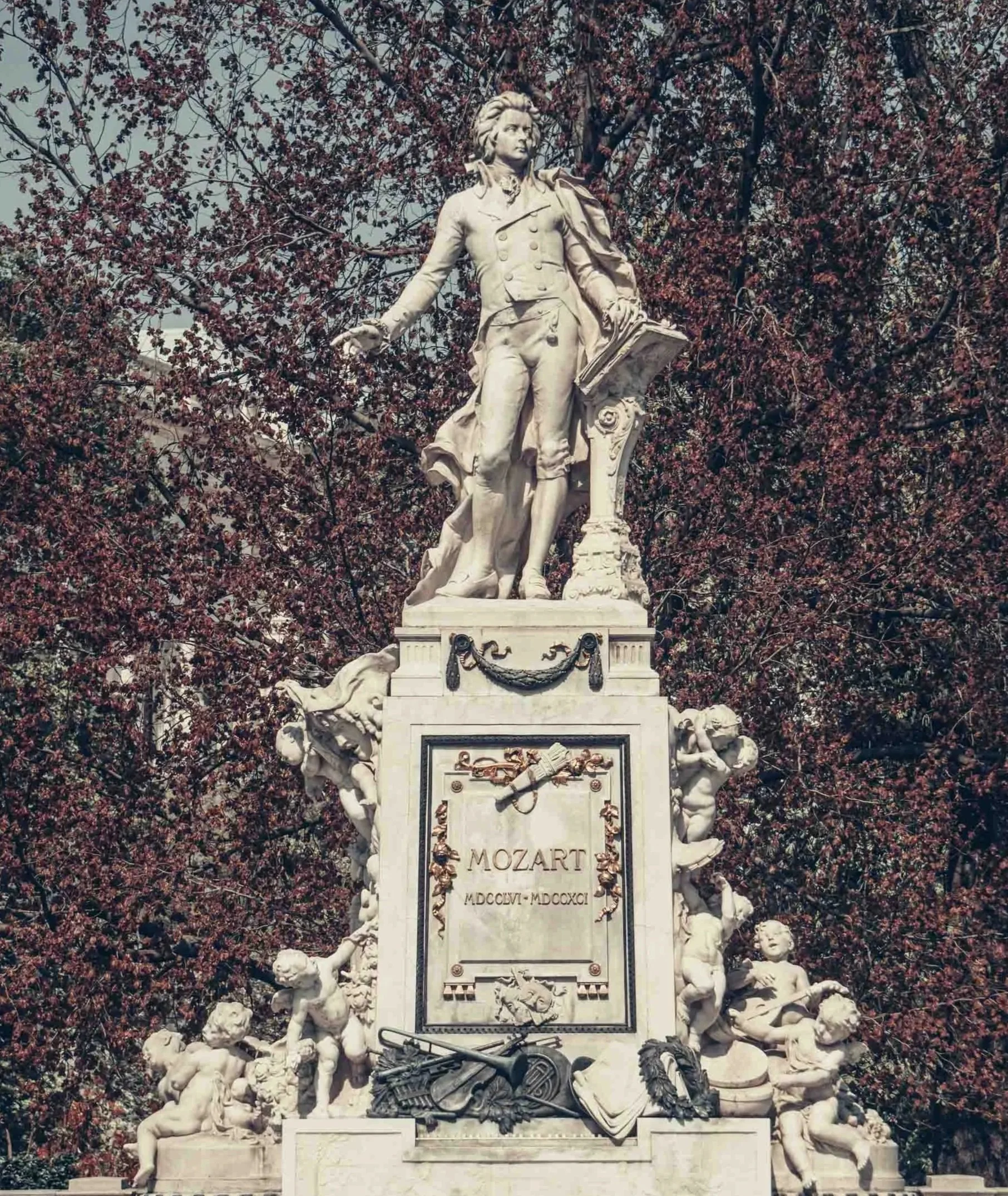
Exploring Mozart
Who?
An event for musicians of around grade 3–4 standard who have begun to explore the music of Wolfgang Amadeus Mozart. Appropriate for instrumentalists and singers. We will dig deeper into the logic behind one of the most famous composers!
What?
You’ll explore key signatures and relative major/minor relationships. You’ll learn about how the composer crafts the melody and the logic behind his choice of harmonies. You’ll question his choice of articulation and dynamics.
Your goal is to better understand the composer’s intentions so that you can communicate this in your playing or singing.
When?
IN PREPARATION
COMING SOON
Exploring Cadences
Who?
An event for musicians studying music theory at grade 5 level.
What?
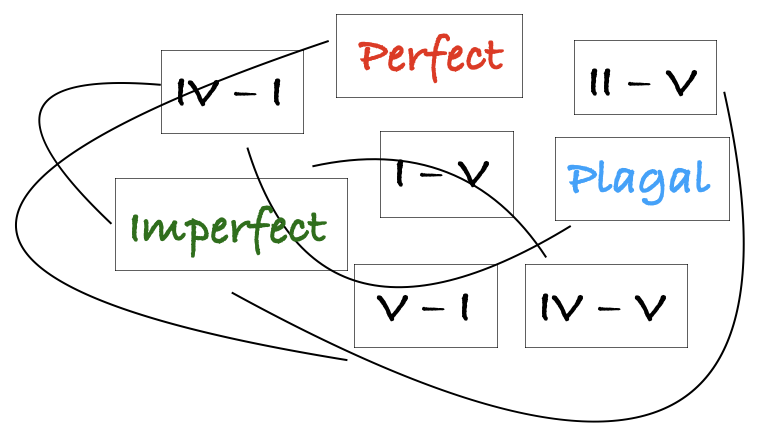
Primary chords, inversions, cadences – what’s it all about? We’ll explore short sections of music which demonstrate the relevance of different chords and how they create cadences. We’ll explore why we differentiate between root position, first inversion and second inversion chords. Through hearing cadences played you’ll begin to understand the effect of each type of cadence and then consider how composers use cadences as punctuation in music.
When?
IN PREPARATION